
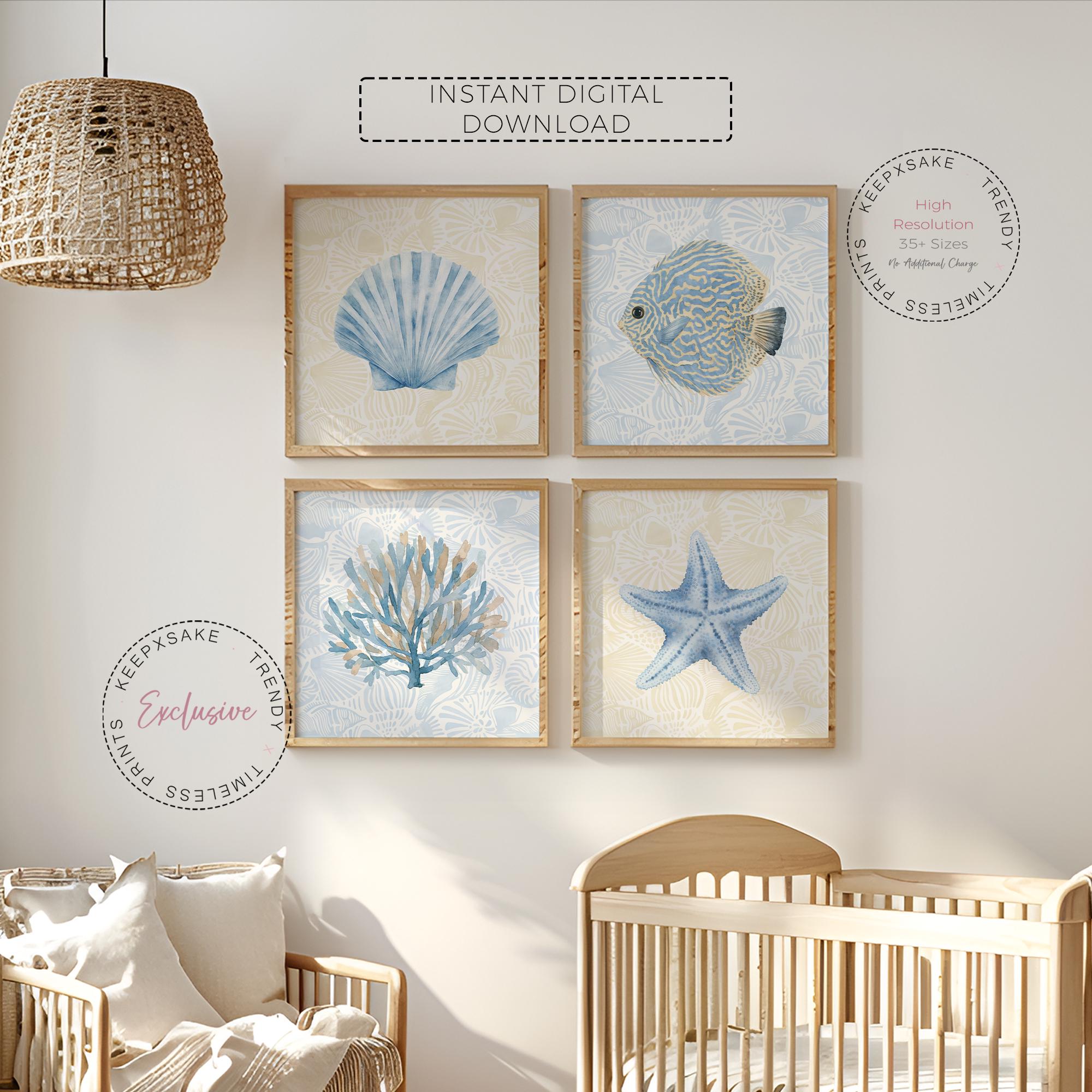
For a long time, home trends were loud. Bright feature walls. Bold patterns. Statement pieces that looked incredible on Instagram… and somehow left us feeling oddly overstimulated in real life.
But something has shifted.
Today’s most meaningful home trend isn’t about what looks impressive — it’s about how a space feels. Calm. Grounded. Safe. Restful.
A home that supports your nervous system, not competes with it. And nowhere is that more important than in family spaces — especially nurseries, bedrooms, and the corners where little moments quietly unfold. This is the rise of well-being-led design.
A Small Personal Note 💗
Before we begin, I want to say I’m sorry for being away for a little while. The past couple of months have been quieter than usual here due to illness, and stepping back — though necessary — wasn’t easy.
I’ve truly missed this space. I’ve missed creating, writing, and most of all connecting with new mums and families who are right in the middle of those tender, overwhelming, beautiful early days. There’s something incredibly grounding about sharing stories, calm ideas, and gentle inspiration with people who get it. Thank you for your patience, your kindness, and for being here. It means more than I can put into words.
So as we step into 2026, it feels like the perfect time to slow things down, breathe a little deeper, and talk about creating homes that truly support our well-being — for us, and for the little people growing up inside them.
The Move Away From “Perfect” Homes
Modern families are tired.
Not just physically — emotionally. Between work, school runs, notifications, noise, and the constant pressure to “do more,” home has become the one place we need to feel held. That’s why today’s most loved interiors share a few quiet common threads:
- Softer colours instead of high contrast
- Natural textures instead of plastic finishes
- Spaces designed to grow, not be replaced every year
This isn’t minimalism for the sake of aesthetics. It’s intentional comfort.
A calm home doesn’t mean empty walls or beige-on-beige everywhere. It means:
- Colours that don’t shout
- Art that feels gentle rather than chaotic
- Rooms that invite slow moments instead of rushing past them
Especially in nurseries, overstimulation can creep in without us realising. Bright primaries, busy patterns, flashing toys — they’re everywhere. But children often thrive in environments that feel predictable and soothing.
Soft watercolours. Neutral palettes. Gentle imagery. These don’t limit imagination — they leave space for it.
The most peaceful nurseries often share one powerful quality: restraint. Instead of filling every wall, they focus on a few meaningful elements:
- One calming print above the cot
- A keepsake illustration that becomes familiar and comforting
- Art that still feels right when baby becomes a toddler… and then a child
This is where “decor that grows with your family” stops being a slogan and starts being practical. When wall art is timeless rather than trend-heavy, it doesn’t need replacing every stage.
It simply belongs.
You’ll hear the phrase “soft luxury” everywhere right now — and for good reason. Soft luxury isn’t about expensive furniture or curated perfection. It’s about:
- Natural light
- Warm neutrals
- Subtle textures
- Art that feels personal, not mass-produced
In family homes, soft luxury feels nurturing rather than fragile.
It says: “You can live here — and still feel calm.”
Watercolour art, muted tones, and gentle storytelling visuals fit beautifully into this movement.
They add warmth without visual noise.
The most powerful trend in well-being-focused homes isn’t visual at all — it’s emotional. Parents are choosing décor that:
- Marks a season of life
- Holds memories
- Feels connected to their child, not just their colour scheme
A nursery print becomes part of bedtime routines. A wall illustration becomes a familiar comfort. A simple piece of art quietly witnesses years of growing up. That’s not décor. That’s a keepsake.
Pinterest boards and Instagram feeds are wonderful for inspiration — but your home doesn’t need to perform for anyone else. The most supportive spaces are the ones that:
- Feel calming when you walk into them
- Don’t overwhelm tired minds
- Still feel right years later
Choosing fewer, softer, more intentional pieces is a form of self-care.
Especially in homes filled with children, noise, and beautiful chaos.
A calm home isn’t created all at once. It’s built slowly — through choices that prioritise feeling over flash.
Whether it’s a peaceful nursery print, a quiet reading corner, or artwork that grows alongside your child, well-being-led design reminds us of something simple: Your home should support your life — not distract from it.
And that’s a trend worth keeping as we begin 2026 💗
xoxo